



AMA House of Delegates
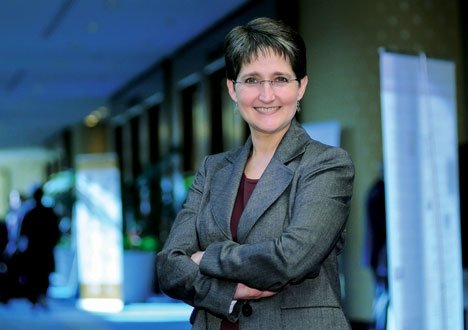
Colette Willins, MD, says advanced care planning needs to be discussed, but not at every visit. Photo by Ted Grudzinski / AMA
AMA meeting: Advanced care plans should be discussed
■ AMA policy says physicians need to talk with patients about their wishes in the event of a serious illness or injury.
By Carolyne Krupa — Posted Nov. 22, 2010

- INTERIM MEETING 2010
- » Our coverage
- » Print special section
- » AMA official proceedings
- » Meeting notes: Other actions
San Diego -- Unexpected illness or injury can strike people of all ages at any time.
That's why physicians routinely should talk with all patients about their wishes in the event of a serious medical situation, says a new policy adopted at the American Medical Association House of Delegates Interim Meeting.
Doctors should encourage patients to discuss plans with loved ones and identify someone to make decisions for them if they became unable to speak for themselves.
Patients and families want to have these conversations, "but they want us to initiate it," said H.R. Greene, MD, an oncologist from Elida, Ohio, and member of the AMA Council on Ethical and Judicial Affairs. "If it's initiated, the suffering of all parties is minimized."
Physicians should be prepared to answer patients' questions and make notes as part of medical records, the policy says.
Though it's important to discuss advanced care planning with patients, it is not something that should be discussed with every patient on every visit, said Colette Willins, MD, a delegate for the American Academy of Family Physicians from Westlake, Ohio. "This is not something I would discuss at a two-year child wellness check."
When delivering a negative prognosis, physicians should be cognizant of where and how they deliver the news, and make sure patients get the information they need, said Jeff N. Stoneberg, DO, clinical medical director for the Institute for Palliative Medicine at San Diego Hospice. He was a featured speaker Nov. 8 at a CEJA educational session on advanced care planning.
Talking with patients about their goals and values will help them maintain a high quality of life as long as possible, he said.


